How Much Does a Heat Pump Cost in 2026?
Installed prices for air-source heat pumps in the US, UK, Canada and Australia, what pushes a quote up or down, and how much grants take off the total.
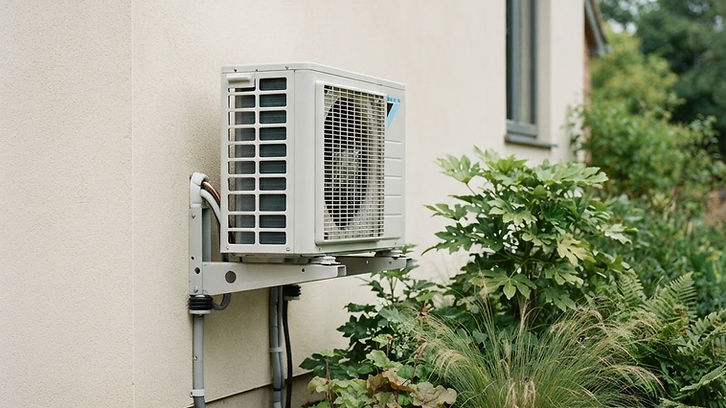
Heat pump prices have come down sharply, but quotes for the same house still vary by a factor of three. The difference is almost never the unit on the wall. It is the work around it: radiator sizing, pipework, a new hot water cylinder, electrical upgrades and the certification that makes the installation grant-eligible.
The figures below are indicative planning ranges, not quotes. Grants and tax rules change often, so confirm current rates with an accredited installer before you sign.
What a heat pump quote actually covers
A complete job usually bundles six things:
- The heat pump and controls, sized to your home's heat loss rather than to the size of your old boiler.
- Labour and commissioning, including refrigerant work by a certified engineer.
- Heat emitters — larger radiators, or underfloor loops, so the system runs at a lower flow temperature.
- A hot water cylinder in most air-to-water conversions.
- Electrical work, including a dedicated supply and sometimes a consumer unit upgrade.
- Certification and paperwork, which is what unlocks grants, export payments and green mortgages.
If two quotes differ by thousands for the same house, compare these six lines rather than the headline figure.
Typical installed cost by market
- United States — $9,800 to $18,000 for a whole-home air-source system, before the federal energy efficiency credit. Ducted retrofits sit at the top of that range.
- United Kingdom — £8,500 to £14,000 for an air-to-water conversion including cylinder, before the Boiler Upgrade Scheme grant is deducted.
- Canada — C$11,500 to C$20,000 for a cold-climate rated system, depending on province and whether ductwork is reused.
- Australia — A$7,200 to A$14,000 for reverse-cycle air conditioning, which is the local equivalent of an air-to-air heat pump.
See current local pricing on the UK heat pump page, US heat pumps, Canada and Australia.
What pushes a quote up
- Age and fabric of the property. Solid walls and single glazing mean a bigger unit and more emitter upgrades.
- Keeping a boiler as backup. Hybrid setups cost more upfront and can reduce grant eligibility.
- Cold-climate specification. In Alberta, Ontario and inland BC, a unit rated to -25°C costs more than a mild-climate model — and is not optional.
- Long pipe runs or a relocated cylinder. Moving a cylinder to a loft or garage adds plumbing and sometimes structural work.
Grants change the net price, not the sticker price
In the UK the Boiler Upgrade Scheme deducts £7,500 from an air source installation in England and Wales. In the US, the Energy Efficient Home Improvement Credit covers a percentage of qualifying costs up to an annual cap per year. Canada has moved to interest-free federal financing plus provincial and utility rebates, and Australia folds its federal certificate rebate into the quoted price.
Almost every scheme requires an accredited installer — MCS in the UK, NABCEP-linked certification in the US, CEC in Australia, recognised provincial certification in Canada. Using the wrong installer can void the grant entirely, which is often worth more than the price difference between quotes.
Running costs matter more than the install price
A heat pump delivers roughly three to four units of heat per unit of electricity. Whether that beats gas depends on the ratio of electricity to gas prices where you live. In the UK, a heat pump on a dedicated tariff usually matches or beats a condensing boiler per kWh of heat. In much of Canada and the northern US, cheap gas can keep running costs close until you add solar.
What a good quote contains
- A room-by-room heat loss calculation.
- The exact model and its rated output at your design outdoor temperature.
- A list of radiators being replaced and their new sizes.
- Whether the electrical supply needs upgrading.
- The grant value applied and who claims it.
- A commissioning report and handover on completion.
Frequently asked questions
How long does a heat pump installation take?
Two to four days on site for a typical house, including commissioning. Radiator upgrades and cylinder replacements are the usual cause of overruns.
Can I keep my existing radiators?
Sometimes. If the heat loss calculation shows your radiators can deliver the required output at a lower flow temperature, they can stay. In older homes at least two or three are usually upsized.
Is a heat pump cheaper to run than a gas boiler?
Usually equal or cheaper in the UK and parts of Europe, and close in North America unless you pair it with solar or a time-of-use tariff. The answer depends on local fuel prices, not on the technology.
More heat pumps guides

 Heat pumps
Heat Pump Grants and Incentives by Country
How heat pump support works in the UK, US, Canada and Australia, what usually disqualifies a claim, and how to check you are getting the full amount.
Heat pumpsHeat Pump vs Gas Boiler: Which Is Cheaper to Run?
The running-cost comparison done properly: cost per kWh of heat delivered, what efficiency really means, and the cases where gas still wins.