Solar Panel Cost and Payback Period by Country
What a residential solar system costs in each market, how to calculate payback honestly, and why identical systems pay back at very different speeds.
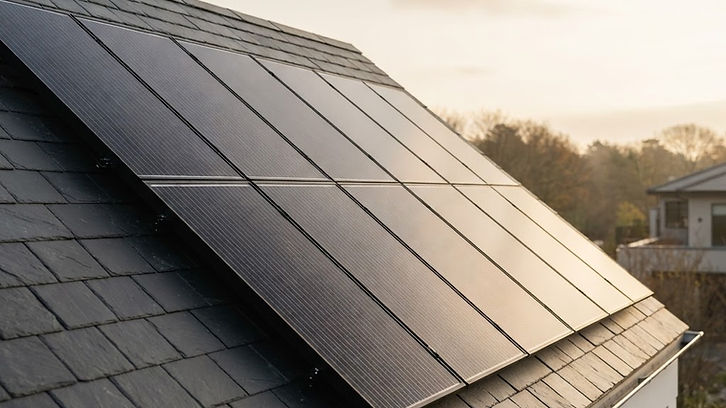
Solar is the most predictable of the four technologies in this directory: the equipment is commoditised, installation is fast, and the output can be estimated accurately before you buy. The variable is not the panels — it is what you pay for electricity and what you are credited for exporting.
Ranges below are indicative for planning. Get local quotes before making a decision.
Installed cost by market
- United States — from around $12,400 for a typical 6–8kW roof system before the federal credit.
- United Kingdom — from around £7,400 for a 3.5–4kW system including scaffolding and certification.
- Australia — from around A$5,600 for 6.6kW after the federal certificate rebate.
- Canada — from around C$14,200, with higher labour and permitting costs than the US.
Per watt, prices continue to fall, but the balance of system costs — scaffolding, inverters, labour, permits — now dominate. That is why small systems cost more per watt than large ones.
How payback is actually calculated
Payback is the number of years before your accumulated savings equal what you paid. The honest formula is:
Annual saving = (self-consumed kWh × import price) + (exported kWh × export rate)
Self-consumption is the lever most homeowners miss. A kilowatt-hour you use in your own home is worth the full retail price; the same kilowatt-hour exported may be worth a quarter of that.
Worked examples
A UK household with a 4kW system generating 3,600kWh a year, using 40% of it and exporting the rest:
- 1,440kWh self-consumed at 26p saves roughly £374.
- 2,160kWh exported at 12p earns roughly £259.
- Total: around £630 a year against a £7,400 cost — about 12 years, before tariff rises.
An Australian household with 6.6kW generating 9,000kWh, using 30% and exporting at 5c:
- 2,700kWh self-consumed at 32c saves about A$864.
- 6,300kWh exported earns about A$315.
- Total around A$1,180 against A$5,600 — under 5 years.
The difference between those two outcomes is not sunshine. It is the ratio of retail price to export rate, and the share of generation used at home.
Why payback varies so much
- Retail electricity price. High prices shorten payback immediately.
- Export rates. Generous feed-in tariffs reward oversizing; poor ones do not.
- Self-consumption. Working from home, a heat pump or an EV raises it. A battery raises it further.
- Roof orientation and shading. A north-facing roof in the northern hemisphere can cut output by 30% or more.
- Weather. Brisbane generates far more per kW than Manchester, but Manchester pays more per kWh.
Batteries and payback
Adding a battery increases cost but can dramatically raise self-consumption, particularly where export rates are poor and evening prices are high. The combination is discussed in our solar and battery payback guide.
What to check before signing
- An estimate of annual generation specific to your roof, not a generic figure.
- The assumed self-consumption percentage, stated openly.
- The inverter type and whether it is battery-ready.
- Who handles grid connection and any export limitation.
- A 25-year panel performance warranty and a separate inverter warranty.
Compare accredited installers near you: UK solar, US solar, Australia, Canada.
Frequently asked questions
How long do solar panels last?
Most modern panels carry a 25-year performance warranty and continue producing well beyond it at slightly reduced output. Inverters usually need replacing once in that period.
Do I need to clean my panels?
In most climates, rain does the job. Dusty or coastal locations may benefit from an occasional clean, but it is rarely worth a contract.
Will solar increase my property value?
Studies in several markets show a premium for owned (not leased) systems, though the size varies by market and is not guaranteed.
More solar guides

 Solar
Solar Incentives and Tax Credits: US, UK, Canada and Australia
How solar support works in each market, whether it is claimed at the point of sale or on a tax return, and the paperwork that protects your claim.
SolarHow Many Solar Panels Do I Need?
A sizing guide that starts from your actual electricity usage, not your roof, with worked examples for four typical households.